Marie Antoinette Style Exhibition
Creating and impacting European taste for years to come
The exhibition is curated as a narrative journey, unfolding through a rare combination of glamour, spectacle, and tragedy—an intoxicating blend that remains as powerful today as it was in the 18th century.
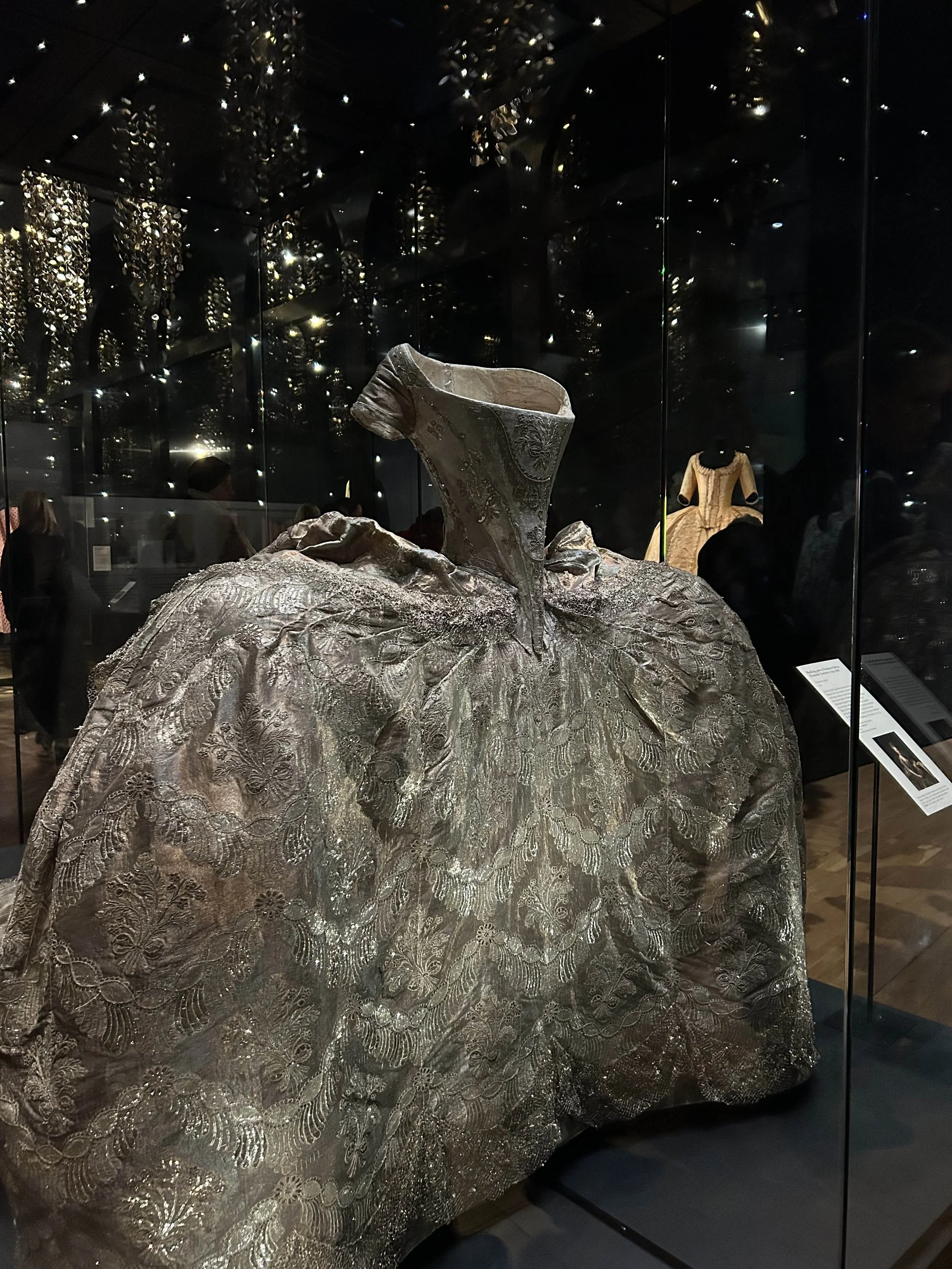
It begins with Marie Antoinette’s early years at the French court, with the first rooms displaying her seldom-seen personal possessions.
These include exquisitely embellished fragments of court dress, her silk slippers, and jewels from her private collection, offering an intimate glimpse into her life and tastes.
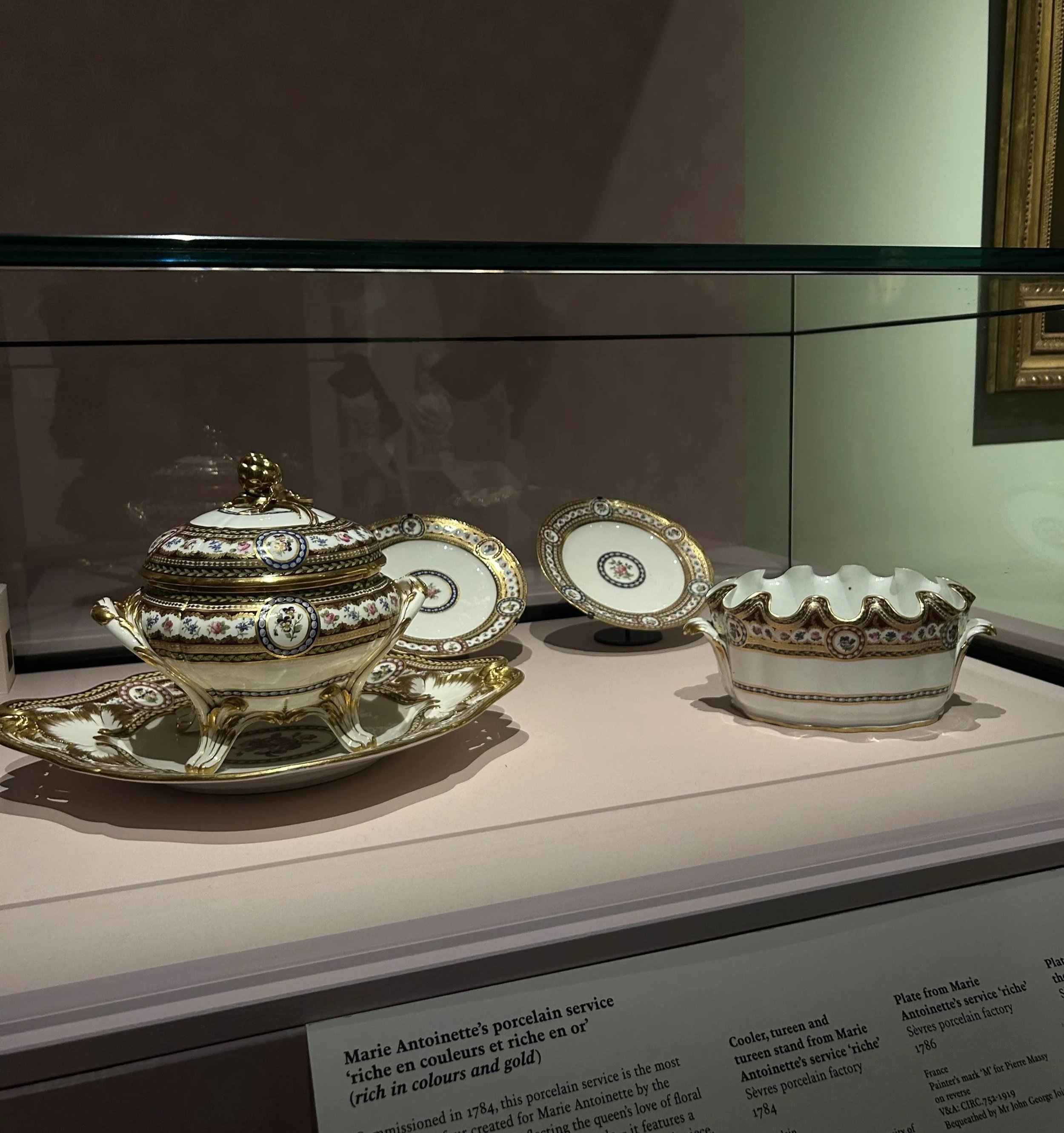
The exhibition then transitions to objects brought from the Petit Trianon, the private retreat gifted to her by her husband, King Louis XVI, after the birth of the first Dauphin.
Here, visitors encounter the Queen’s dinner service, accessories, and personal items from her toilette case, further illustrating her refined aesthetic sensibilities and the world she curated around herself.
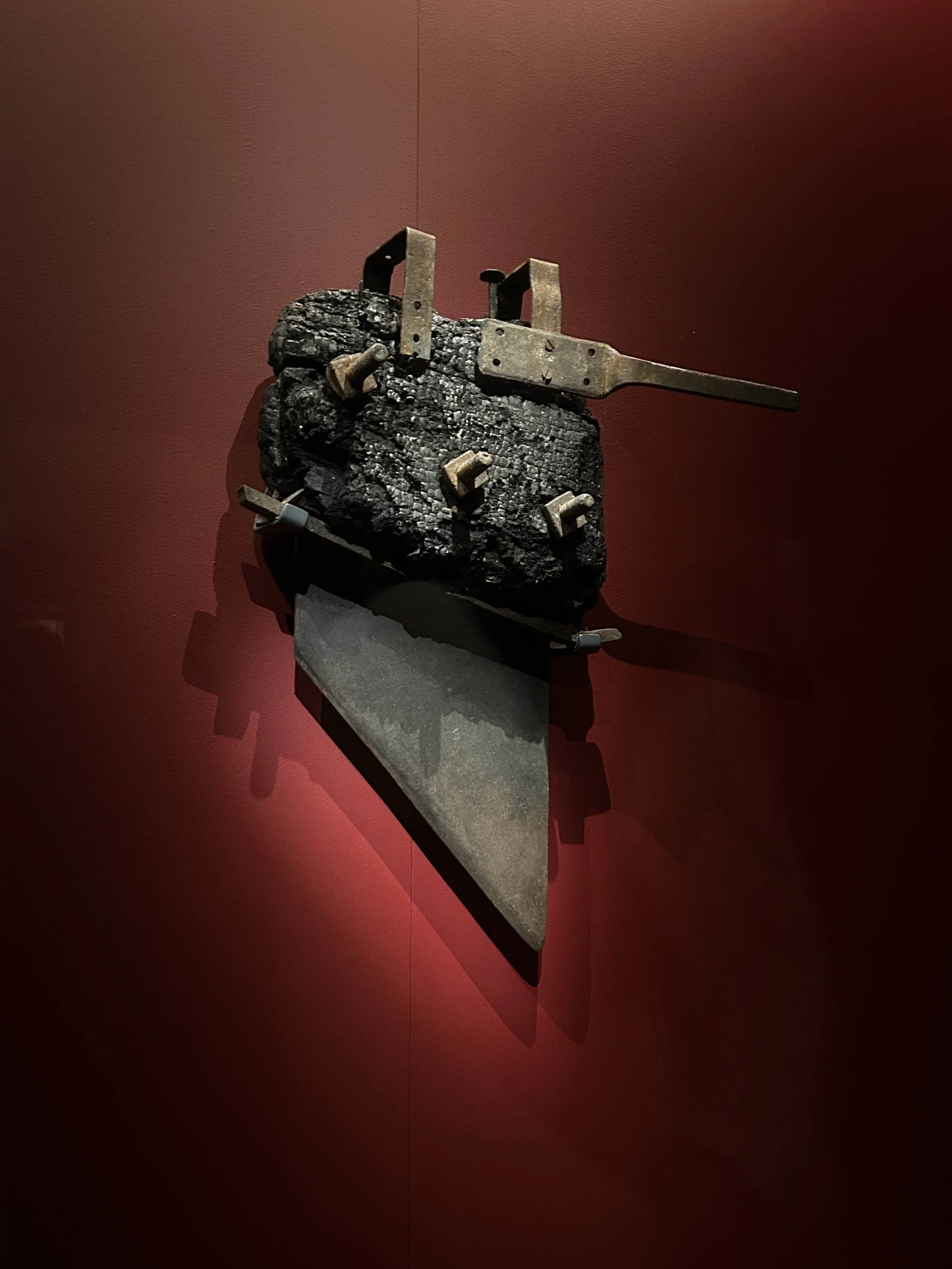
The narrative continues with her dramatic fall during the French Revolution, exploring the criticism, rumors, and political tensions that shaped her final years.
This culminates in objects connected to her last moments before execution, many of which are being shown outside Versailles and France for the very first time.
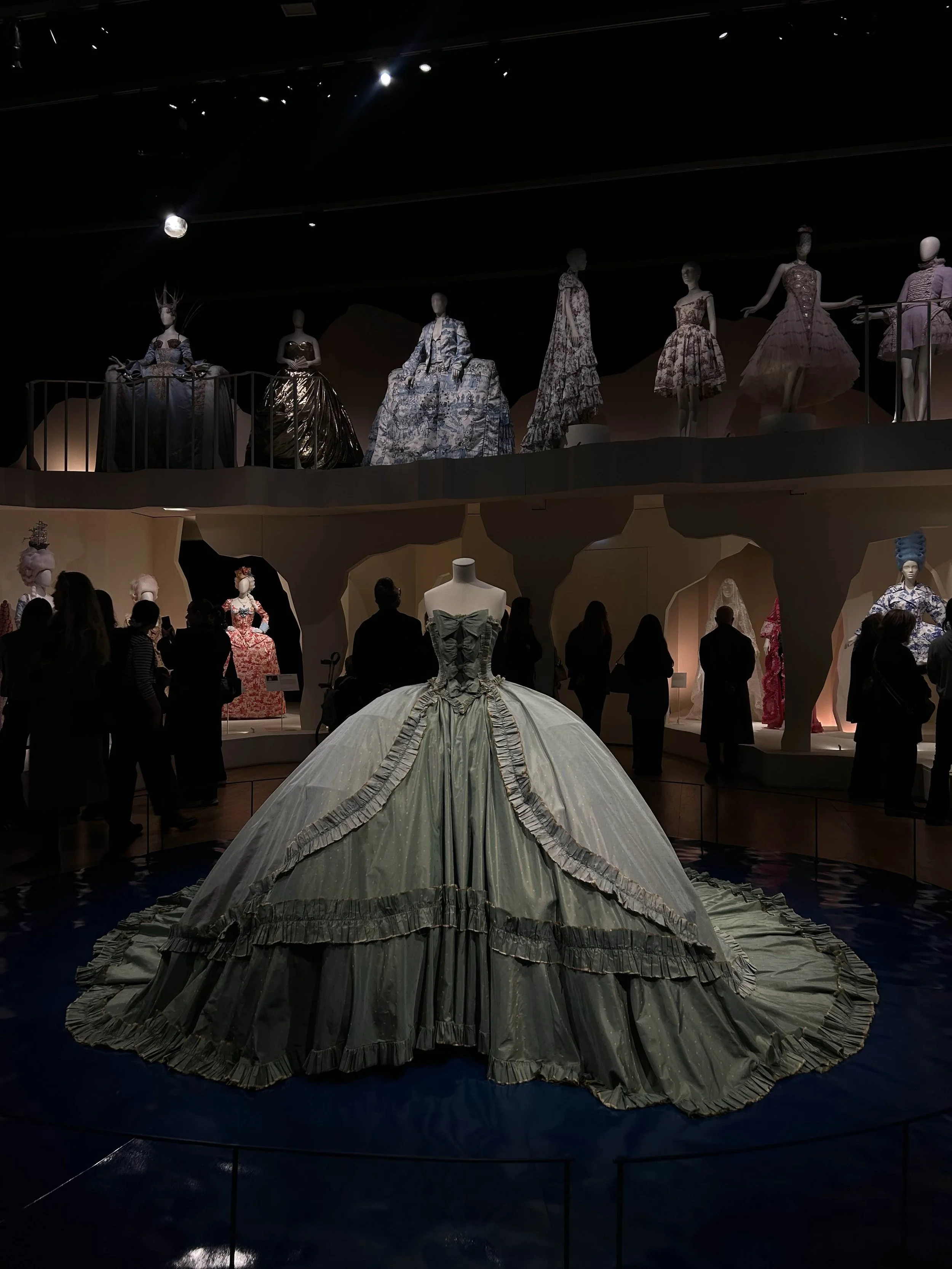
Yet the exhibition does not conclude with her death. Although the Revolution ended the monarchy and Marie Antoinette’s life, her influence persists. The final section showcases contemporary couture by designers such as Moschino, Dior, Chanel, Erdem, Vivienne Westwood, and Valentino.
It also highlights cinematic interpretations, including Sofia Coppola’s Oscar-winning Marie Antoinette starring Kirsten Dunst, with shoes designed for the film by Manolo Blahnik.
Marie Antoinette not only shaped the fashion, design, interiors, gardens, and fine and decorative arts of her own era, but her impact has endured for over two and a half centuries across graphic and decorative arts, fashion, photography, film, and performance.
The exhibition is hosted by the Victoria and Albert Museum and will remain open to the public through March 22, 2026
Written by Fadak Al Kazemi